Kew Gardens – Escape City Sounds and Chaos. London is an exciting family vacation choice. Family festivities in and around the city abound. One of my favorite outings – the perfect country escape any time of year - is up the Thames at Kew Gardens.
 Here's the scoop
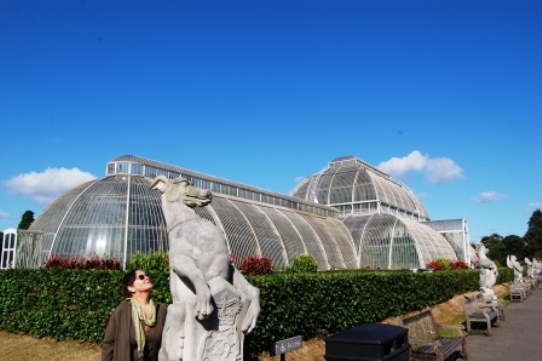
. Kew Gardens, one of the world's most famous gardens, is exceptional. Ideal for anyone who appreciates gardens, it also works really well for a day out with children. While exceptional plant specimens and interesting history are to be expected the added bonus is the variety of ways visitors of all ages (children in particular) are engaged through trail maps, programs and activities. Three dimensional dispalys inform visitors; docents eagerly answer questions; life-sized plants speak; touching is allowed; running on the grass is encouraged. The best thing is that they have an array of fascinating events and festivals all of which welcoms children with interactive experiences.
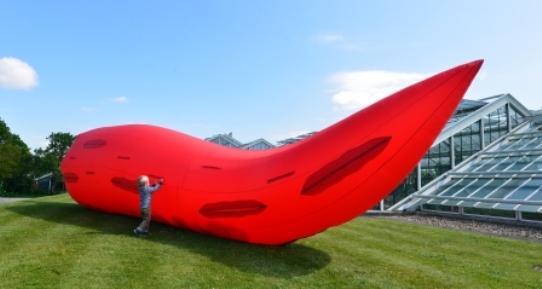
Go tropical with kids when weather is chilly. Step out of the cold, peel off your layers, and explore the tropics and temperate regions in Kew's magnificent glasshouses. Wander through the steamy Palm House; experience the dry and wet tropics of the Princess of Wales conservatory, and enjoy the many spectacularly beautiful plants from warmer climes in the Temperate House – the biggest Victorian Glasshouse in the world.
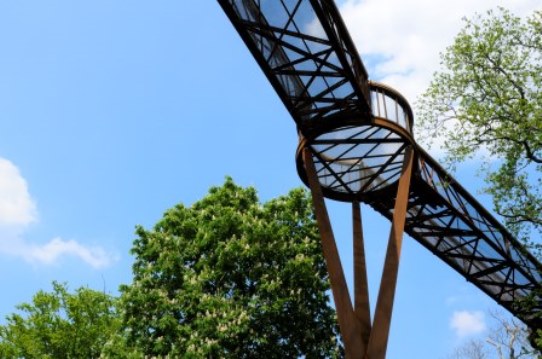
Climb to the treetops. Visit Kew's Rhizotron and Xstrata Treetop Walkway and climb 18m high into the treetops. Xstrata Treetop Walkway was designed by architects of the London Eye, taking visitors on an amazing journey from tree roots to tree top. Winter is a great time to enjoy sweeping views across the frosty Gardens thanks to a number of trees in the area shedding their leaves.
Make it happen. Admission: Adults £13, Concessions £11, FREE for children younger than 17 (accompanied by an adult). Admission to Kew Gardens includes free entry to all Glasshouses, Galleries and the Rhizotron and Xstrata Treetop Walkway. For more information visit
www.kew.org About Kew Royal Botanic Gardens. In 1759 Princess Augusta, mother of King George III, started an ambitious nine-acre physic garden around Kew Palace . Every generation has added to the charms and curiosities of Kew, now a major international visitor attraction. Together the landscaped, 132 hectares of Kew Gardens and RBG Kew's country estate, Wakehurst Place, attract nearly 2 million visitors every year. Kew Gardens is a UNESCO-inscribed World Heritage Site and houses over 40 listed buildings and other structures including the Palm House, Temperate House, Orangery and Pagoda as well as two ancient monuments, Queen Charlotte's Cottage and Kew Palace. RBG Kew is a world famous scientific organisation, internationally respected for its outstanding living collection of plants and world-class Herbarium as well as its scientific expertise in plant diversity, conservation and sustainable development in the UK and around the world.
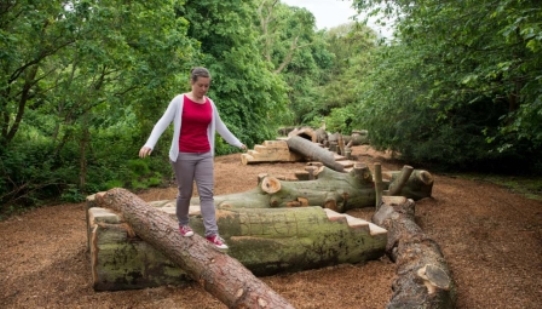 Location on the planet.
 Kew is situated on the south bank of the River Thames near Richmond, about 10 km south-west of London. Visit Kew Gardens Kew Gardens station is the nearest to Kew Gardens and is in Travelcard zone 3. From central London, the District Line train (destination "Richmond") stops at Kew Gardens station. The London Overground line, from N and NW London also stops at Kew G66 England Kew Bookardens. Westminster Passenger Services Association (Upriver) Ltd, between Westminster and Kew and beyond, operates between April and October. The route runs Westminster, Putney, Kew, Richmond, Hampton Court.
Need to know: It is not really practical to travel from Westminster to see Kew and Hampton Court in a day because there are insufficient transportation options, however starting from Kew, the Gardens and Hampton Court can be combined in a day. The last boat from Kew usually leaves at 1.30pm for Hampton Court and back from Hampton Court about 5pm. Make sure to check times of return journeys from Kew and Hampton Court because all departures are approximate due to tides and sometimes boats may be cancelled.
